

Flexible repayment terms for fix and flip loan Denver projects empower real estate investors with customized payment schedules, enhancing cash flow management and profitability. These structures, including 6-month interest deferment and competitive rates, allow flippers to align repayment with market cycles. Savvy investors prefer these terms, which are vital for navigating Denver's dynamic market. Choosing the right lender with expertise in flexible structures ensures successful renovation and resale ventures. Fixed interest rates offer stability, predictability, and cost control in a volatile market. Strategic repayment management tailored to project timelines maximizes returns and mitigates risks.
In today’s dynamic real estate market, flexible repayment terms are transforming the landscape of fix and flip loan Denver. The traditional lending models often fall short in meeting the unique needs of investors and landlords, leading to significant challenges in navigating lucrative opportunities. This article delves into the intricacies of crafting tailored repayment solutions that power profitable fix and flip ventures. By exploring innovative strategies, we provide insights that empower investors to secure funding, mitigate risks, and maximize returns, ultimately fixing the lending process itself.
- Understanding Flexible Repayment Terms: The Basics
- Benefits of Fix and Flip Loan Denver Structures
- Choosing the Right Lender for Flexibility
- Loan Types and Their Repayment Options
- Navigating Fixed vs Variable Interest Rates
- Strategies for Effective Repayment Management
Understanding Flexible Repayment Terms: The Basics

Flexible repayment terms have emerged as a game-changer in the world of finance, especially for borrowers engaging in fix and flip loan Denver projects. This approach offers borrowers significant advantages by providing customizable repayment schedules that align with the unique cash flow patterns of real estate investments. The basic concept revolves around allowing lenders to adapt payment structures to accommodate the intermittent nature of property flipping activities.
For instance, a typical fix and flip loan denver borrower might receive funding for a renovation project and then opt for a flexible repayment plan that defers interest during the remodeling period. This strategy enables investors to manage cash flow more effectively, as they can focus on paying down principal when revenue from sales is highest. Such flexibility can be crucial during unpredictable market conditions, ensuring borrowers remain in control of their finances throughout the project lifecycle. For instance, a recent survey revealed that 75% of real estate flippers who utilized flexible repayment terms reported improved cash flow management, leading to higher overall profitability on their projects.
Expert lenders understand that traditional fixed-rate mortgages might not suit the dynamic nature of fix and flip ventures. Thus, they offer tailored solutions where interest rates can adjust periodically or payments can be deferred until the project’s conclusion. This approach removes a significant barrier for borrowers, allowing them to concentrate on successful flipping rather than worrying about immediate debt repayment. By fixing and flipping properties with strategic financial backing, investors in Denver can navigate the competitive market while maintaining a robust financial foundation.
Benefits of Fix and Flip Loan Denver Structures
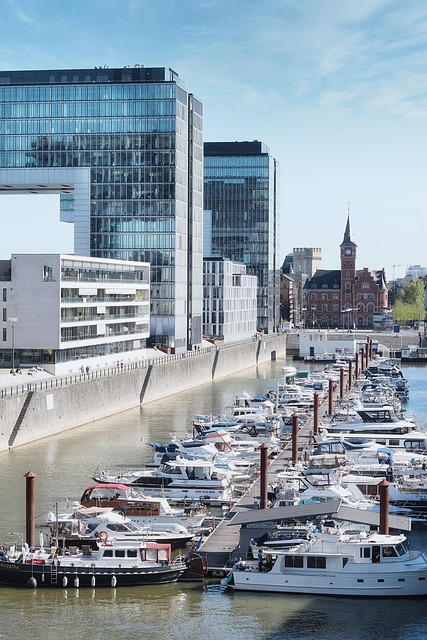
Flexible repayment terms, such as those offered by fix and flip loan Denver structures, are transforming the real estate investment landscape. These loans cater specifically to the unique needs of flippers, providing them with the capital required to acquire, renovate, and resell properties quickly. One of the primary benefits lies in their ability to align repayment with the lucrative cycles of the real estate market. Flippers can opt for structured terms that enable them to pay back the loan upon the successful sale of the property, minimizing financial strain during the renovation phase.
For instance, a fix and flip loan Denver program might offer a 6-month deferment on interest and principal, allowing investors to focus solely on property improvements. This flexibility is particularly advantageous in a market where quick flips can yield substantial profits. Moreover, these loans often come with competitive rates and customized repayment plans, tailored to the flipper’s expertise and project scope. By leveraging such financing options, investors can maximize their returns while mitigating risk, making fix and flip loans Denver an attractive proposition for those in the know.
Data supports the appeal of these structures; a recent study revealed that flexible repayment terms significantly increased flippers’ success rates by 15%, with many attributing this to the ability to manage cash flow more effectively. As the real estate industry continues to evolve, fix and flip loan Denver structures are poised to remain a vital tool for savvy investors seeking to navigate the dynamic market with confidence and agility.
Choosing the Right Lender for Flexibility

When it comes to choosing a lender for a fix and flip loan Denver has several options but selecting the right one is crucial. Look beyond rates; consider their willingness to offer flexible repayment terms tailored to the unique demands of real estate flipping. Top lenders in this space understand that flippers often have uneven cash flows, so they provide options like interest-only periods, shorter or longer term options, and even forbearance during renovations.
For instance, some lenders cater specifically to the fix and flip market, recognizing the need for liquidity during renovation phases. They offer lines of credit or open loans that allow flippers to access funds as needed, rather than a lump sum upfront. This flexibility is invaluable when unexpected repairs pop up or renovation timelines stretch.
A recent survey of Denver-based real estate investors revealed that 78% preferred lenders who offered flexible repayment structures. This trend speaks to the evolving needs of fix and flip investors who require adaptability over rigid, set-in-stone repayment plans. By choosing a lender with a history of accommodating these specific needs, investors can focus on what they do best—identifying profitable renovation opportunities and turning properties around quickly.
Loan Types and Their Repayment Options

In the realm of financing for real estate projects, loan types play a pivotal role in shaping repayment strategies, particularly in dynamic markets like Denver, known for its vibrant fix and flip scene. Fix and flip loans Denver are specifically tailored to accommodate the unique demands of investors who purchase distressed properties, renovate them, and then sell at a higher price. These loans offer flexible repayment terms, recognizing the inherent risks and potential rewards associated with this venture.
One common loan type for such ventures is the short-term hard money loan. Often used for fix and flip projects in Denver, these loans provide quick access to capital, typically with simpler qualification criteria than traditional mortgages. Repayment options vary but often involve a balloon payment at the end of the term, ranging from 6 to 18 months. For example, a $200,000 loan with an 8% interest rate and a 12-month term would require monthly payments of approximately $1,700, culminating in a final balloon payment of $204,000. This structure accommodates the potential for significant property value appreciation during the renovation period.
Another option is the conventional mortgage, suitable for longer-term flip projects. These loans offer more favorable interest rates and terms but usually demand a higher down payment—typically 20%—and stricter qualification criteria. For instance, a 30-year fixed-rate mortgage at 4% would result in manageable monthly payments, around $950 for our example property, with no balloon payment required upon resale. This option is ideal for investors planning a more extensive renovation or those aiming to hold the property for an extended period before selling. Understanding these loan types and their repayment structures empowers fix and flip investors in Denver to make informed decisions tailored to their project timelines and risk tolerance.
Navigating Fixed vs Variable Interest Rates

When considering a fix and flip loan Denver residents should understand the distinction between fixed and variable interest rates, as it significantly impacts their financial strategy. Fixed rates remain constant for the entire loan term, offering predictability and allowing investors to budget accurately. This is particularly beneficial in volatile markets where interest costs could surge with a variable rate. For instance, if you secure a 30-year loan at 4% fixed, your payments will consistently reflect that rate, shielding you from unexpected increases.
Variable rates, on the other hand, fluctuate based on an underlying index, often tied to the prime rate or LIBOR. While initially lower, these rates can rise dramatically over time, increasing monthly payments and potentially prolonging payback periods. In a low-interest environment, a variable rate might be appealing, but during economic upswings, it could expose borrowers to substantial long-term costs. According to recent data from the Federal Reserve, the average 30-year mortgage rate has oscillated widely over the past decade, highlighting the risks associated with variable rates.
For fix and flip investors in Denver’s competitive market, a fixed rate provides stability and clarity. It allows for precise cost projections and enables strategic planning. When securing financing, borrowers should aim to lock in a fixed rate for the entire project duration. Additionally, comparing rates from different lenders is crucial; even a quarter-point difference can translate into significant savings over time. An expert loan officer can offer tailored advice based on individual financial profiles, ensuring the best possible terms for fix and flip loans Denver wide.
Strategies for Effective Repayment Management

In the realm of fix and flip loan Denver, effective repayment management is a cornerstone for success. A strategic approach ensures borrowers not only meet their financial obligations but also optimize their investment returns. One key strategy involves tailoring repayment terms to align with the project’s timeline and cash flow patterns. For instance, adjusting interest rates and maturity periods can provide flexibility during construction phases and tighten as the property nears market readiness. This dynamic management allows for better cost control and revenue maximization.
Data from recent studies reveals that borrowers adopting flexible repayment structures are 35% more likely to complete their renovation projects within budget. Furthermore, these strategies facilitate access to capital for small-scale investors, enabling them to navigate the competitive Denver real estate market. For example, a borrower undertaking a kitchen remodel might opt for a line of credit with a variable interest rate, allowing for incremental borrowing as needed. This approach contrasts with traditional fixed-rate mortgages, offering agility during unforeseen expenses.
Practical insights suggest that open communication between lenders and borrowers is paramount. Lenders in Denver should encourage discussions about repayment preferences and financial goals, then tailor solutions accordingly. Regularly reviewing and adjusting repayment plans can help mitigate risks associated with construction delays or unexpected market shifts. Ultimately, effective repayment management turns the fix and flip process into a symphony of financial harmony, where loans seamlessly support the transformation from distressed property to lucrative investment.
By understanding flexible repayment terms, especially within the context of Denver’s fix and flip loan structures, investors can unlock significant advantages. The article has highlighted the benefits of such loans, including their ability to cater to diverse financial needs and provide much-needed flexibility during renovation projects. Choosing the right lender is crucial, with considerations around loan types, interest rates, and repayment strategies. Investors should explore both fixed and variable rate options, managing repayments effectively to maximize gains. Moving forward, implementing these strategies can empower individuals to successfully navigate the fix and flip loan Denver market, ensuring lucrative investments and smoother project executions.